
It watches every block. You run the farm.
Sensors in the block read what is actually happening there. The AI weighs that against your crop, your season and your own records — then tells you what needs doing. You do it, or a rule does it through control modules on the node's own bus, and the work comes back in. The next answer knows about it.
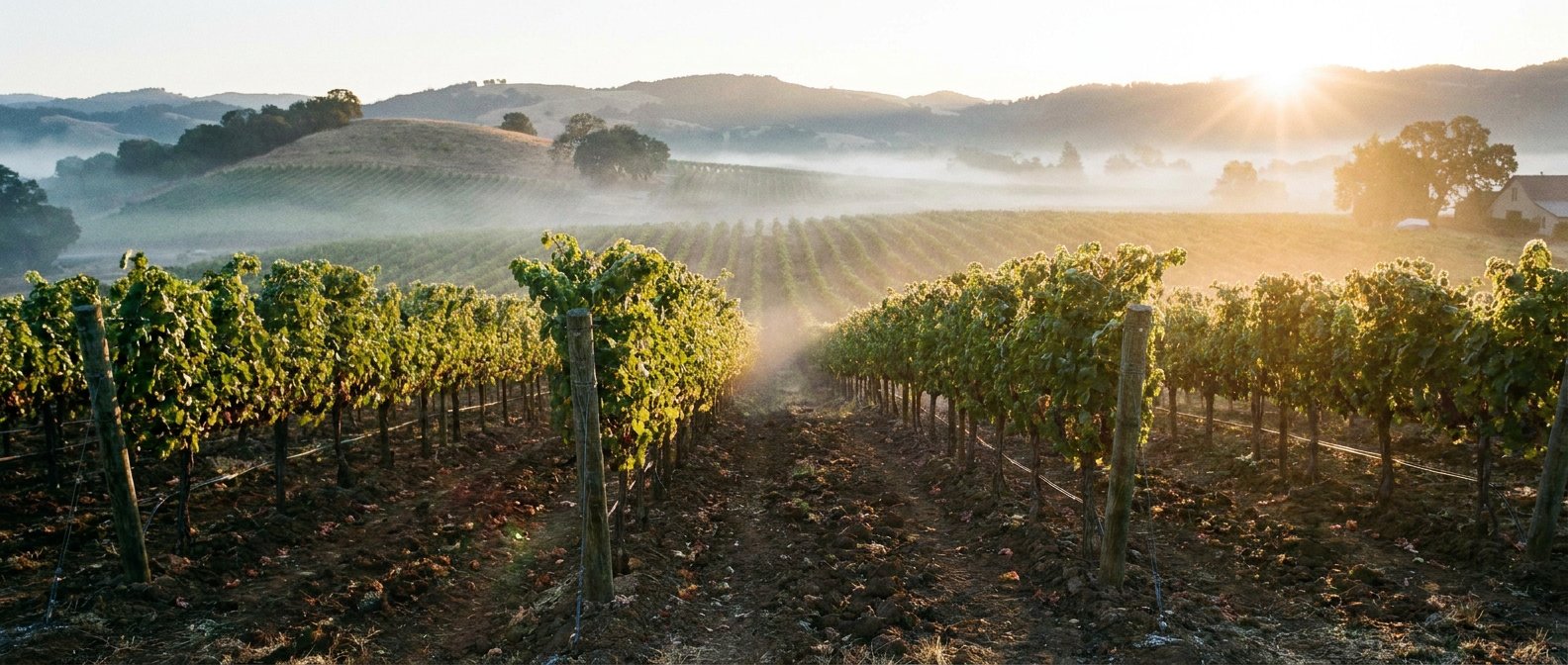
Forecasts tell you what's coming. Satellites tell you what your land looked like last week. Neither tells you what's happening on your vines right now.
Weather forecasts are regional, they predict 4°C at your property's centre, not −0.5°C in the corner that always frosts first. They can't tell you which row will frost, which block is drying out, or where disease pressure is actually building.
Satellites are too coarse and too late. A single pixel covers multiple blocks, and by the time an image shows stress, the vines have known for a week. They miss the variability that matters, the cold pocket, the reflected heat off the access track, the row that always picks up botrytis first.
And a reading on its own is not a decision. Knowing Block 4 sits at 19% tells you nothing about whether that matters this week, for this cultivar, at this growth stage — or what doing something about it will cost you.
And the instruments that do measure well are usually built around a single question, answered precisely: when to irrigate. Worth having. But frost, disease pressure, nutrition, ripeness, and the record of what you sprayed on which block are left to you, a notebook, and a spreadsheet.
You need the forecasts. You need the sensors. You especially need the AI that combines them.
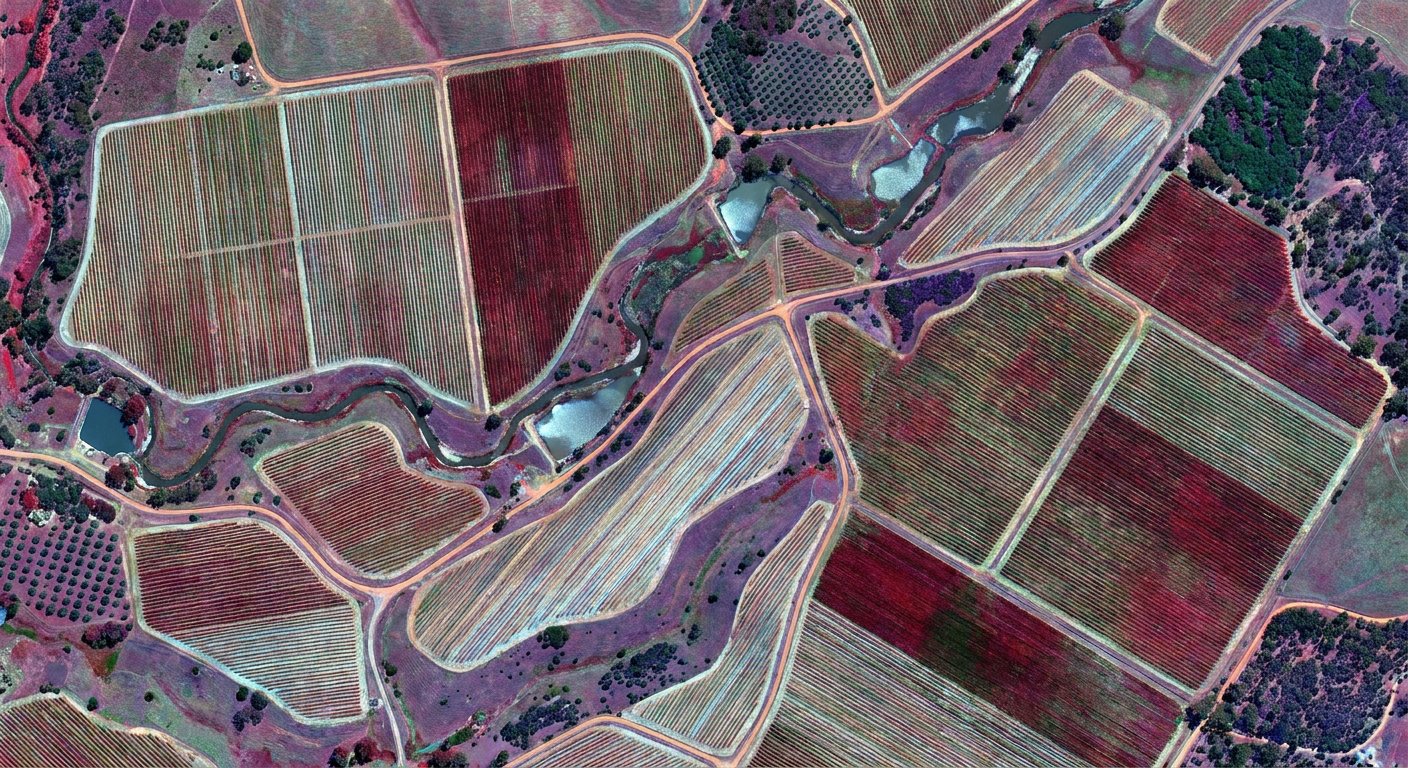
A property looks like four colours. A whole row of struggling vines disappears into the average.
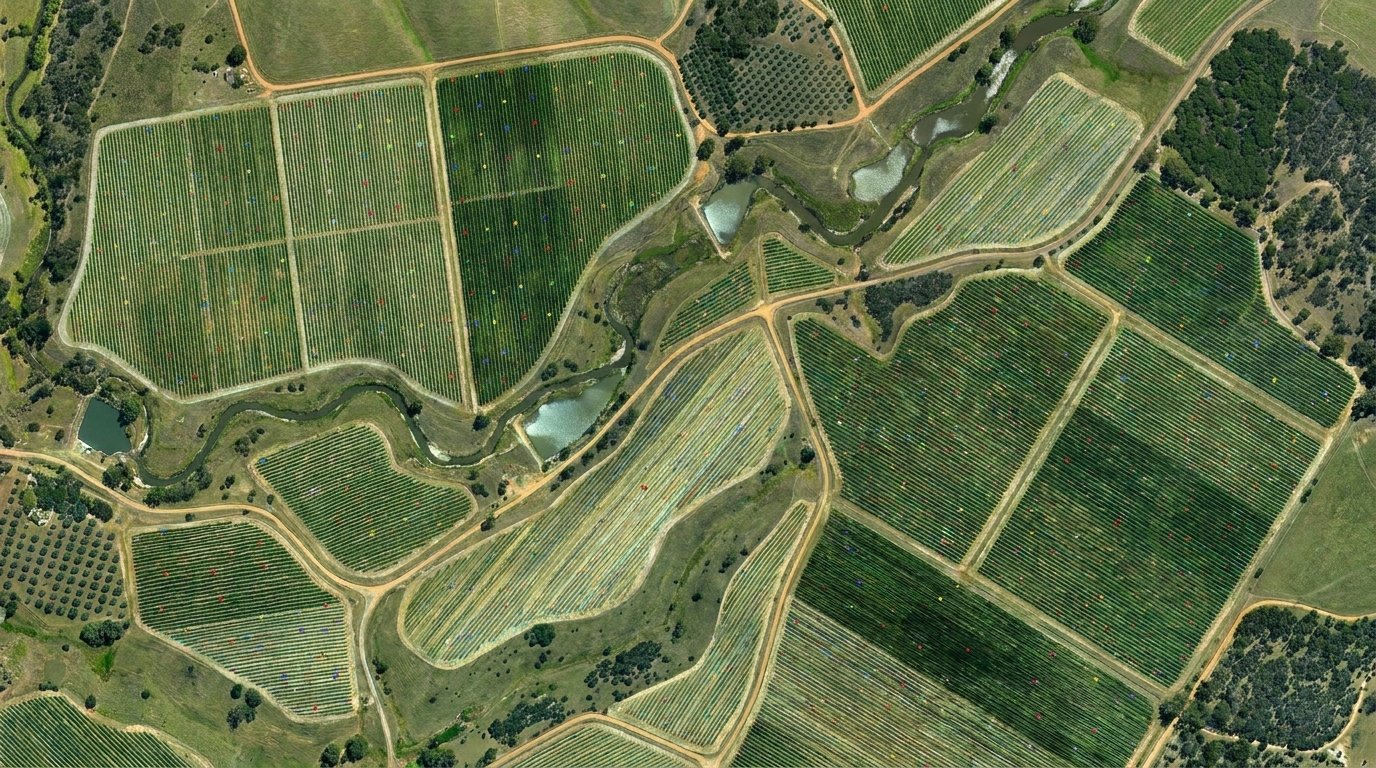
Real readings from the root zone, not a colour inferred from reflectance. The block that's drying is a number you can act on today, not a guess from last week.
Readings from the block. Advice you can act on. A record of what you did.
- 01
We deploy sensors across your land.
Sealed, solar-powered nodes at the foot of the post, placed where your land actually varies — the frost pocket, the slope that dries first, the corner that always picks up botrytis — with probes in the soil, in the canopy and strapped to the trunk, plus tank-level, flow and pump sensors on your existing irrigation. Hardware is included in your subscription: we install it, we replace it, you pay nothing upfront.
- 02
Every reading streams in real time.
Soil moisture, temperature, humidity, sunlight, wind, nutrients, tank levels, pump status, and what the trunk itself did with the water, straight to your dashboard. A forecast pulled for your own coordinates overlays the readings, and once enough nights are behind it, it is corrected for what the forecaster gets wrong about your ground.
- 03
AI turns it into recommendations you can act on, and rules can act through your equipment.
When something changes that matters, you'll know, with a clear, plain-language explanation and a specific suggestion. Ask the AI directly, or set rules that act through certified control modules — relays, energy meters, drives — on the TerraCast node's own bus. Or let the irrigation scheduler decide: the probe says whether a block needs water tonight, the weather says how much, and it proposes until you switch it on. Safety interlocks sit in our layer, every action is logged, and manual override is always available.
Tuned for the land you care about.
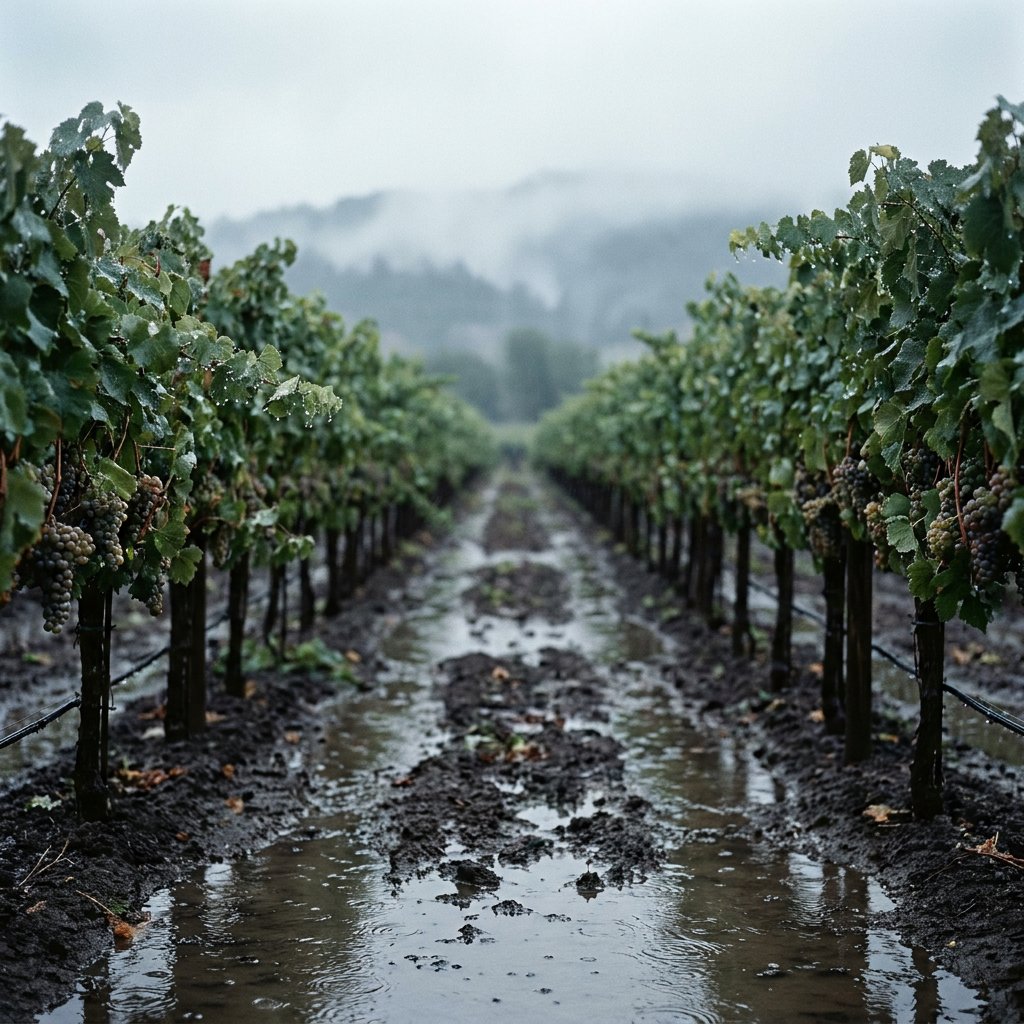
For vineyards
Frost, mildew pressure, ripeness per block, harvest timing. Built around the cultivars in your rows.
Learn more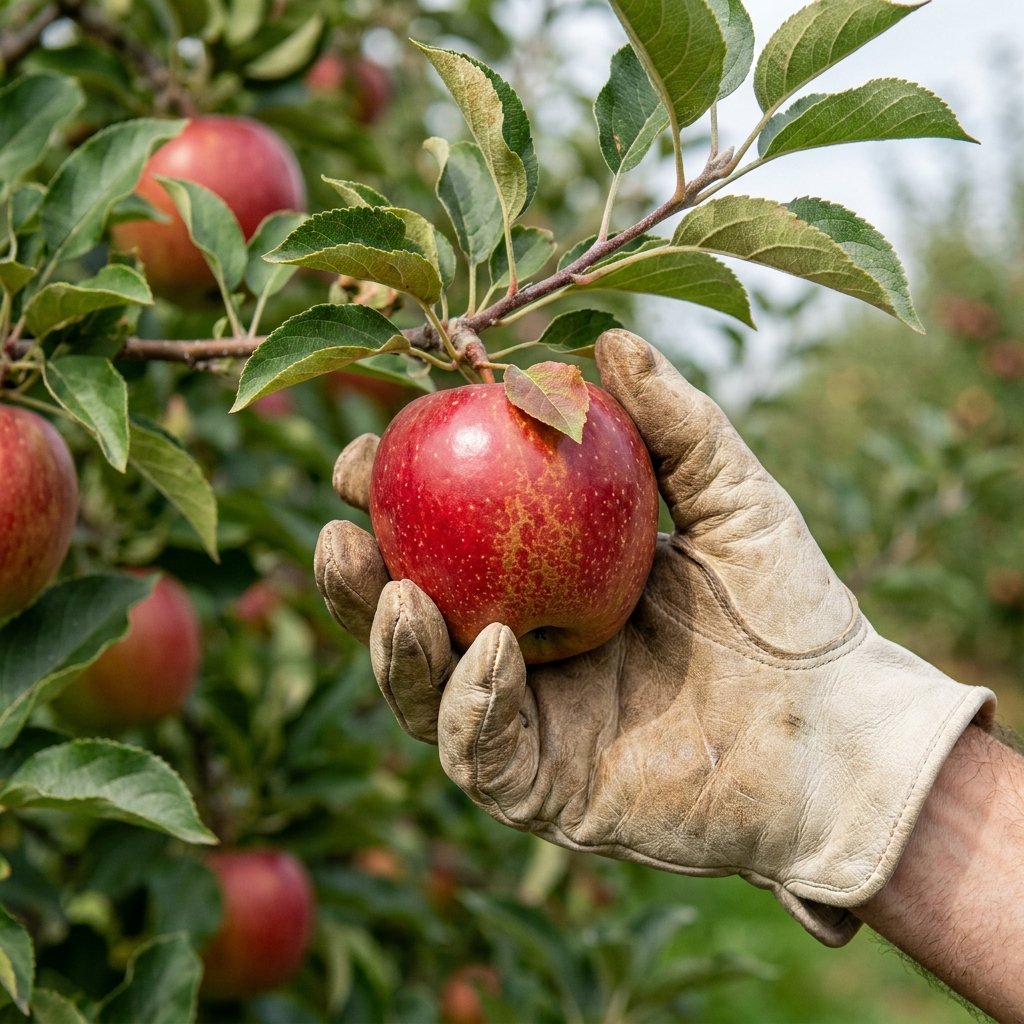
For orchards
Frost protection, fruit set, irrigation precision, disease pressure, picking timing, for apples, peaches, pears.
Learn more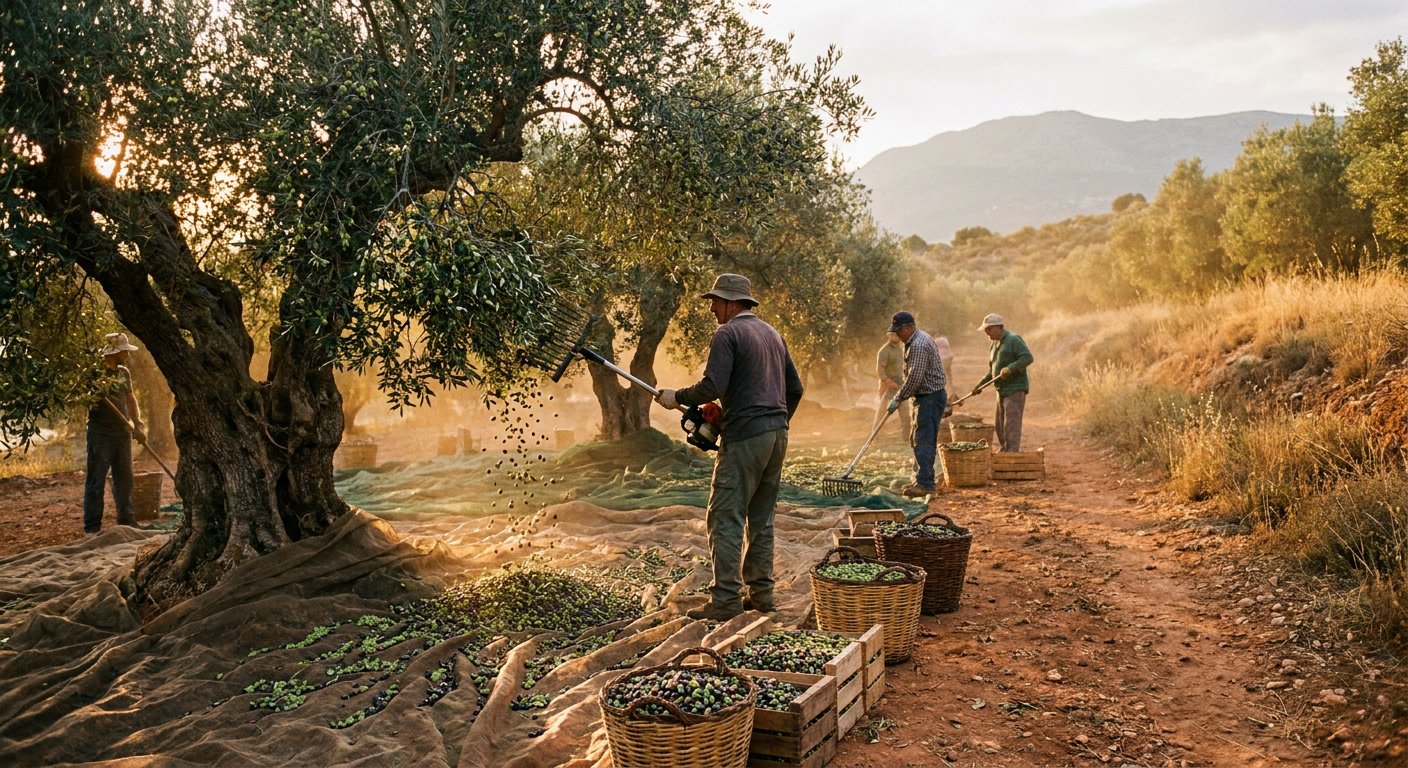
For olive groves
Water stress, fruit fly, ripeness tracking, harvest timing, calibrated for the slow rhythm of olives.
Learn moreRunning several properties, or bringing in a contractor? Access works farm by farm →
Ask it anything. Wake up to what matters.
A farm advisor that already knows your land
Open the chat and ask in plain language, "Why is Block A's moisture dropping?", "What does this botrytis warning mean for my Shiraz?" It isn't a generic chatbot: it already knows your blocks, cultivars, growth stages, live readings, weather, and your own uploaded notes. Answers stream back in real time, and when it proposes a change, a reminder, a revised sensor range, you confirm before anything happens.
A morning briefing, not a wall of dials
Every land opens on a single question, what needs my attention today? Frost risk, blocks drifting out of range, disease pressure building, suggestions waiting on you, pulled into one glanceable view, with the blocks that need a look outlined right on the map. One place, ranked by urgency, so you know where to drive before you finish your coffee.
What you did, not just what you were told to do.
A system that only knows its own advice is half blind. TerraCast keeps the record of the work as well: every spray, irrigation, harvest and repair, against the block it happened on.
You say it once, in the field — "sprayed block 4 with Kumulus this morning, 300 litres" — and confirm the card it hands back. Nothing is written until you do.
Out of that comes your spray register, your cost per hectare, and the warning that a block is still inside a withholding period, on the same morning briefing you already read.
Because the record is what proves it
Pre-harvest and re-entry intervals are computed from what was actually applied, not what was planned, and they surface before a picking crew is sent in rather than after a buyer asks.
Corrections append rather than overwrite, so the register can show its own history. Prices and intervals are copied onto each job at the time of work, so editing your catalogue next season cannot rewrite what was true last season.
And your own history becomes something the advisor can recall — ask what you sprayed on a block last spring and the answer comes from your farm, not from a textbook.
The advice you ignore is data too.
Every accept, every dismissal, and every job you actually go and do is recorded against the monitor that raised it. A threshold you keep waving away gets handed back to you, relaxed — as a card you confirm, never a change made quietly behind you.
Dismissals have to earn it
A monitor that fired twenty times, was acted on seventeen and waved away three is a good monitor. It is only counted against when the dismissals outweigh the times you agreed or acted.
Doing the work counts double
A finished job is stronger evidence than clicking accept — you went out and did it, and the record proves you did. So it is weighted at twice an acceptance.
Nothing creeps
The tally resets each time a calibration is applied, so a threshold cannot drift further out round after round until the monitor stops firing at all.
At the end of the season, what the models saw, what the system said, what you did and what the land returned are read against each other — yield per hectare beside the indices, alerts beside the jobs — so a disagreement between them is a finding you see, not four tables that never meet. One season is one sample, and nothing retunes itself without a card you confirm. Your edits to the AI's sensor ranges are kept apart from its baseline and versioned, so regenerating a block profile never overwrites your judgement. How the loop works →
Measuring your land is a solved problem. Running it isn't.
Good instruments exist, and the best of them are very good at the question they were built for — usually water. Point one at a tree and it will tell you when to irrigate, precisely. That works, and we are not going to pretend otherwise.
What none of it does is carry the rest of your season. Frost at four in the morning. Mildew pressure building in one corner and nowhere else. Whether the block you are about to pick is still inside a withholding period. What that spray actually cost you per hectare. That work still lives in a notebook, a spreadsheet, and somebody's memory.
TerraCast is built for the whole span: readings from the blocks themselves, an advisor you can ask at four in the morning instead of a dashboard and a callback on Monday, and the record of what you actually did feeding back into what you get told next.
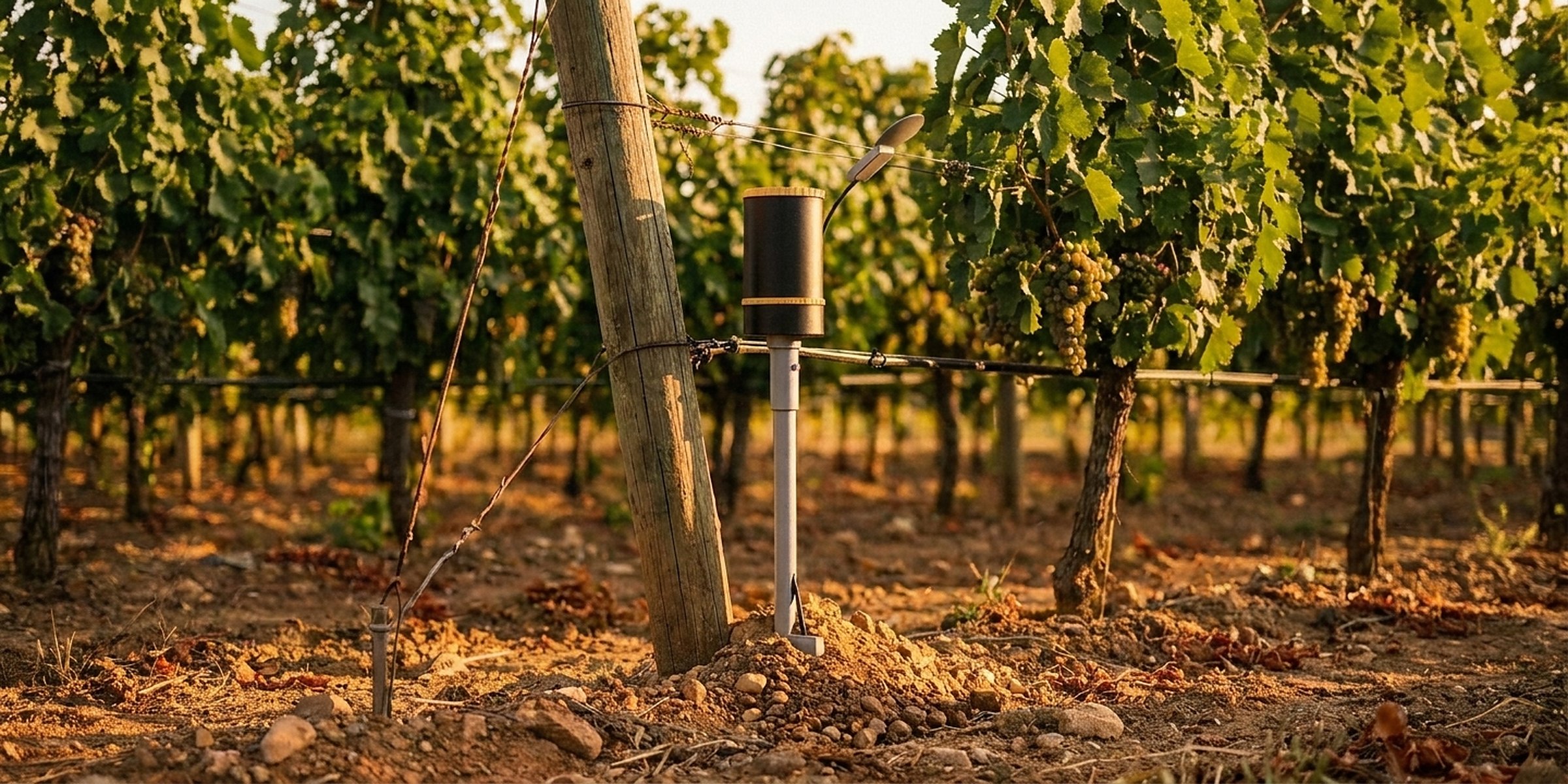
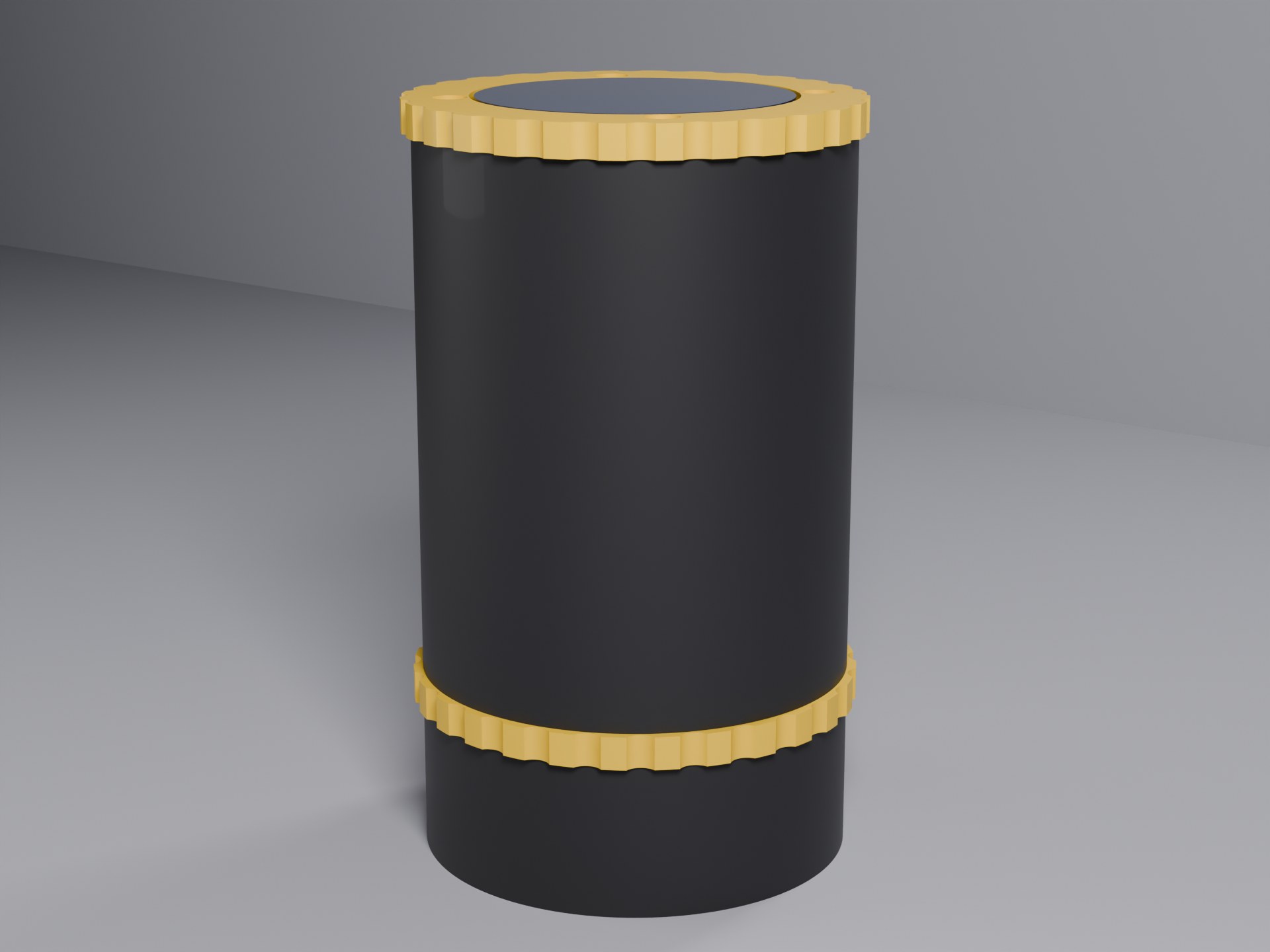
Sealed. Solar from the post top. A cartridge for every probe. Built for the foot of a post, included in your subscription.
Your data stays yours.
Per-account isolation, end to end. We never sell it or expose it to another customer, and it's yours to export whenever you want.
Real-time, not five minutes ago.
Built on NoLag, our own real-time messaging platform. Every reading reaches your dashboard the second it lands.
Hardware included. No upfront cost.
You subscribe. We install. We replace what fails. If you leave, return the gear or buy it out at cost.